The wounds of racism are not confined to the past but continue to shape the lives of millions of
people today. Anti-racism training for adults and youth offers a path toward understanding these
wounds and beginning the journey of healing that so many people desperately need.
Racism is not simply about individual prejudice but about systems of power that have been built
over centuries of oppression and exploitation. These systems affect every aspect of life from
education and employment to health care and housing.
The trauma of racism is passed down through generations and affects people who never directly
experienced the original injustices. Breaking these cycles requires intentional education and
honest conversations about the past and its impact on the present. The work of healing is difficult
but it is essential for building a future where every person can thrive.
Understanding Racism and Its Psychological Impact
Racism is more than hurtful words or unfair treatment that people experience in their daily lives.
Racism is a system of beliefs and practices that assigns value to people based on their physical
appearance or cultural background.
This system has been used to justify centuries of slavery, colonization, and exploitation that have
shaped the modern world. The psychological impact of racism is profound and affects individuals,
families, and entire communities across generations. People who experience racism often suffer
from anxiety, depression, and a diminished sense of self-worth that affects every aspect of their
lives. They may internalize negative messages about their identity and capabilities that limit their
potential and aspirations.
They may experience hypervigilance and chronic stress that takes a physical toll on their bodies
over time. They may struggle with trust and relationships because they have been betrayed by
institutions and individuals who were supposed to protect them. Understanding these impacts is
essential for anyone who wants to address racism and its effects on mental health.
What Intergenerational Trauma Looks Like?
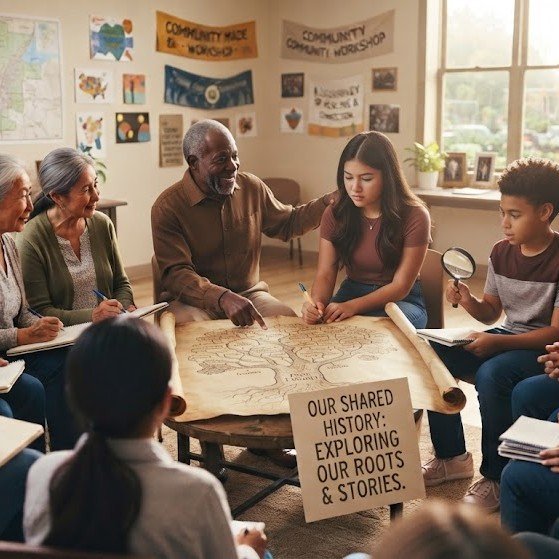
Intergenerational trauma workshops help people understand how the pain of the past continues to
affect the present in ways that are often invisible. Trauma is passed down through families and
communities in multiple ways including parenting styles, family stories, and even biological
pg. 9
changes in gene expression. Children absorb the stress and fear of their parents and
grandparents without fully understanding where these feelings come from.
They may grow up with a sense of danger or inferiority that seems irrational but is rooted in real
historical experiences. They may adopt survival strategies that helped their ancestors endure
oppression but are no longer useful in their current circumstances. They may struggle with identity
and belonging because their cultural heritage has been suppressed or denigrated.
They may carry anger and resentment that they cannot explain but that shapes their relationships
and decisions. Intergenerational trauma workshops provide a safe space for people to explore
these patterns and begin to heal. They help people understand that their pain is not their fault but
that they have the power to break the cycle.
The Role of Anti-Racism Training in Healing
Anti-racism training for adults and youth is not simply about teaching people to avoid using
offensive language or treating others fairly. This training goes deeper and helps people understand
the historical and structural roots of racism that continue to shape society.
It challenges people to examine their own beliefs and biases that they may not even recognize as
problematic. It provides tools for recognizing and interrupting racist patterns in everyday life and in
institutional practices. It builds empathy by helping people understand the experiences of those
who are different from themselves. It empowers people to become active allies who use their
privilege to challenge injustice and support marginalized communities.
It creates shared language and understanding that allows people to have difficult conversations
about race without becoming defensive or dismissive. It helps people recognize that racism is not
a problem of the past but a present reality that requires ongoing attention and action. The goal of
anti-racism training is not to make people feel guilty but to equip them with the understanding and
skills they need to make a difference.
Healing from Imperialism and Racism
Healing from imperialism and racism requires acknowledging the full extent of the harm that has
been done across centuries of oppression. Colonization did not simply take land and resources
but also attacked the cultural identity and psychological wellbeing of colonized peoples. Imperial
powers imposed their languages, religions, and values on societies that had their own rich
traditions and ways of being.
They destroyed institutions and governance systems that had sustained communities for
generations. They created hierarchies of race that placed white Europeans at the top and
everyone else below them. These hierarchies continue to influence social structures and individual
psychology even in countries that have achieved political independence.
Healing from these wounds requires reclaiming cultural identity and building pride in heritage that
was systematically attacked. It requires telling the truth about history and honoring the resilience of
ancestors who survived unspeakable oppression. It requires building new relationships across
racial and cultural lines based on respect and mutual recognition.
Building Skills for Anti-Racist Action
Anti-racism training provides practical skills that people can use to challenge racism in their daily
lives and communities. Participants learn to recognize racist assumptions in media, policy, and
everyday conversations that they may have previously overlooked.
They learn to speak up when they witness racism without attacking or alienating the people they
are trying to educate. They learn to listen to people of color without becoming defensive or
centering their own feelings in the conversation.
They learn to examine their own privilege and use it to support rather than overshadow the voices
of marginalized people. They learn to advocate for policy changes that address systemic racism in
education, employment, housing, and health care. They learn to build coalitions across racial lines
that can work together for common goals and shared justice.
They learn to sustain their commitment to anti-racism over the long term rather than treating it as a
temporary trend. These skills are not innate but must be developed through intentional practice
and ongoing learning.
The Healing Journey Begins with Education
Anti-racism training for adults and youth is not a quick fix but a commitment to a lifelong journey of
learning and growth. The trauma of racism has been building for centuries and healing will not
happen overnight or through a single workshop.
But every conversation, every training, and every honest reflection brings us closer to the world we
want to create for future generations. We must take this work seriously because the stakes are too
high to treat it as optional or unimportant. Our children are watching and learning from us and they
will inherit either the wounds we fail to heal or the progress we choose to make.
The journey of healing from racism is difficult but it is also filled with hope and the promise of
deeper connection with ourselves and others. Every step forward is a victory for humanity and a
testament to the power of education and compassion. Let us commit to this work with humility and
determination. Anti-racism training for adults and youth is one of the most powerful tools we have
for building a world where everyone can flourish.