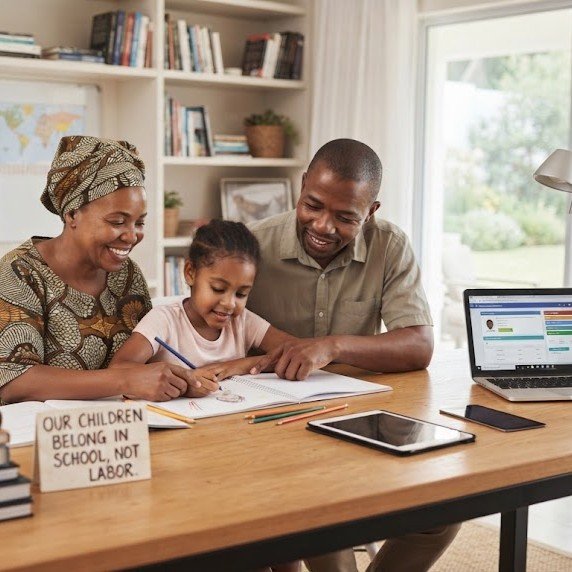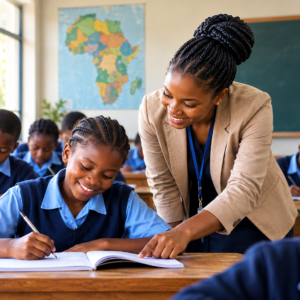

The world is waking up to a crisis that has been hiding in plain sight for far too long. Protecting
children from forced labour has become an urgent priority as new reports reveal that child labour is
rising for the first time in twenty years.
Millions of children across the continent are working in dangerous conditions instead of attending
school and enjoying their childhood. These children are not simply helping their families with
chores or learning valuable skills for their future.
They are trapped in systems of exploitation that rob them of their health, their education, and their
hope for a better life. Parents and community leaders have the power to break these cycles of
exploitation and create environments where children can thrive. Awareness is the first step toward
meaningful action that saves lives.
Understanding Forced Labour and How It Affects Children
Forced labour happens when a person is compelled to work against their will under threat of
punishment or harm. For children this takes many forms including domestic servitude, agricultural
labour, mining, manufacturing, and even commercial sexual exploitation.
These children often work long hours in hazardous conditions without proper food, rest, or medical
care. They are cut off from education and social development that are essential for healthy growth
and future opportunities. Many of these children are trafficked across borders or sold by families
who are desperate and misinformed.
Others are orphaned or abandoned and fall into the hands of people who see them only as
sources of profit. The trauma of forced labour stays with children for their entire lives and affects
their mental and physical health. They grow up without the skills and confidence they need to build
independent and fulfilling lives. Understanding these realities is essential for anyone who wants to
make a difference in their community.
The Warning Signs That Every Parent Should Know
Parents must learn to recognize the signs that indicate a child may be trapped in forced labour.
Children who work long hours and appear exhausted or malnourished may be victims of
exploitation. Children who are kept away from school or have no time for play and social activities
should raise concern.
pg. 6
Children who show signs of physical injury or illness that go untreated may be working in unsafe
conditions. Children who seem fearful, withdrawn, or anxious around adults may be experiencing
abuse or threats. Children who do not have proper clothing or who appear to be living in
unsuitable conditions may be neglected and exploited.
Children who are not allowed to speak for themselves or who seem coached in what they say may
be under someone else’s control. Parents should pay attention to these signs and trust their
instincts when something seems wrong.
Reporting concerns to the proper authorities can save a child from years of suffering and
exploitation. The safety of every child is the responsibility of every adult who cares about the future
of their community.
The Root Causes of Child Labour and Exploitation
Child labour does not happen in a vacuum but grows from conditions of poverty and inequality.
Families who cannot afford basic necessities often feel forced to send their children to work
instead of school. Communities that lack access to quality education and economic opportunities
create environments where exploitation can flourish.
Weak legal protections and poor enforcement allow perpetrators to operate without fear of
consequences. Cultural norms that view children as economic assets rather than individuals with
rights contribute to the problem. Conflict and displacement disrupt families and leave children
vulnerable to traffickers and exploiters.
These root causes must be addressed if we truly want to protect children from forced labour. The
solutions must include economic development, education, legal reform, and cultural change.
Communities cannot simply punish perpetrators without addressing the conditions that create
vulnerability in the first place. Comprehensive approaches are necessary to break the cycle of
exploitation across generations.
Community Child Protection Networks
Community child protection networks are one of the most effective tools for preventing and
responding to child labour in local communities. These networks bring together parents, teachers,
religious leaders, health workers, and local authorities who share a commitment to child safety.
They create systems for identifying children at risk and providing support to families before crisis
situations arise. They educate community members about children’s rights and the dangers of
forced labour and exploitation. They establish reporting mechanisms that allow people to raise
concerns safely and confidentially.
They work with local authorities to ensure that reports are investigated and that children receive
the protection they need. They provide support services for children who have been rescued from
exploitation including counseling, education, and family reunification. They advocate for policies
and resources that strengthen child protection at the local level.
Community child protection networks succeed because they are rooted in local relationships and
trust. They empower ordinary people to take responsibility for the safety of children in their midst.
Child Welfare Policy Reform
Child welfare policy reform is essential for creating a legal and institutional framework that truly
protects children from forced labour. Existing policies often fail to address the complexities of child
labour and the circumstances that lead to exploitation. Many countries lack clear definitions of
child labour that distinguish between acceptable work and exploitative conditions.
Enforcement mechanisms are often weak and perpetrators face minimal consequences for their
actions. Policies that address the root causes of child labour include education reform and
economic development programs that support vulnerable families. Policies that provide support
services for rescued children are essential for their recovery and reintegration into society. Policies
that criminalize traffickers and exploiters must be strengthened and enforced consistently.
Policies that protect child witnesses and encourage reporting are necessary for building a culture
of accountability. Policy reform must be accompanied by adequate funding and institutional
capacity to implement and enforce new laws. Without strong and enforced policies children will
continue to be exploited despite the best efforts of communities and families.
Every Child Deserves Protection
Protecting children from forced labour is not someone else’s responsibility but a duty that falls on
every parent and community leader. The recent rise in child labour is a wake-up call that we
cannot ignore or explain away with easy excuses.
Our children are counting on us to see them, to hear them, and to take action on their behalf. We
must educate ourselves about the signs of exploitation and the steps we can take to intervene. We
must build community networks that support families and protect vulnerable children. We must
demand policy reform that holds perpetrators accountable and addresses root causes of
exploitation.
We must create economic opportunities that allow families to support themselves without
sacrificing their children’s futures. Every child deserves to grow up in safety and pursue their
dreams without fear of exploitation. Protecting children from forced labour is a commitment that we
must make and renew every single day. The future of our communities depends on the safety and
wellbeing of our youngest members.